As automakers push deeper into software-defined vehicle platforms, Ford is preparing what appears to be the next major leap in its infotainment ecosystem: SYNC 5. While Ford has not officially announced the system yet, leaked supplier documents, UI findings inside pre-production models, and current industry trends give us strong hints about what SYNC 5 might look like.
If released in 2025–2026, SYNC 5 could become Ford’s biggest infotainment overhaul since the introduction of SYNC 4A.
A New OS Core: Android Automotive-Based SYNC
Several Ford partnerships point to SYNC 5 adopting Android Automotive OS (AAOS) as its foundation — the same underlying system used by GM, Volvo, Polestar, and others. This does not mean Ford is replacing its UI with Google’s; instead, SYNC would run on top of AAOS as a custom interface.
Expected benefits include:
Faster performance due to modern chipsets
Better app support via Google Play or a Ford-curated store
Deeper integration with Google Maps, Assistant, and real-time traffic
Easier OTA updates and long-term support
Ford already uses Android Automotive in Lincoln prototypes, suggesting SYNC 5 could bring that architecture to mainstream Ford models.
Revamped User Interface: Cleaner, Faster, More Adaptive
Rumors indicate SYNC 5 will feature:
A flatter, more modern UI similar to Ford’s new digital cluster layouts
Improved split-screen functionality
Widgets that adapt based on driving habits
More fluid animations and transitions
Simplified menus and fewer taps to access core functions
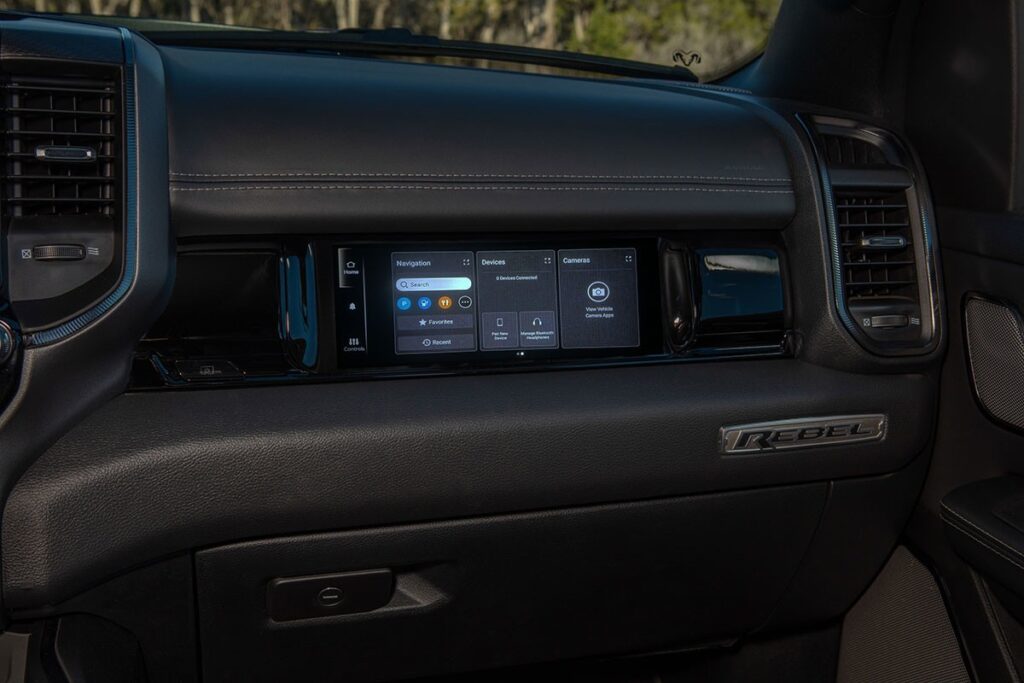
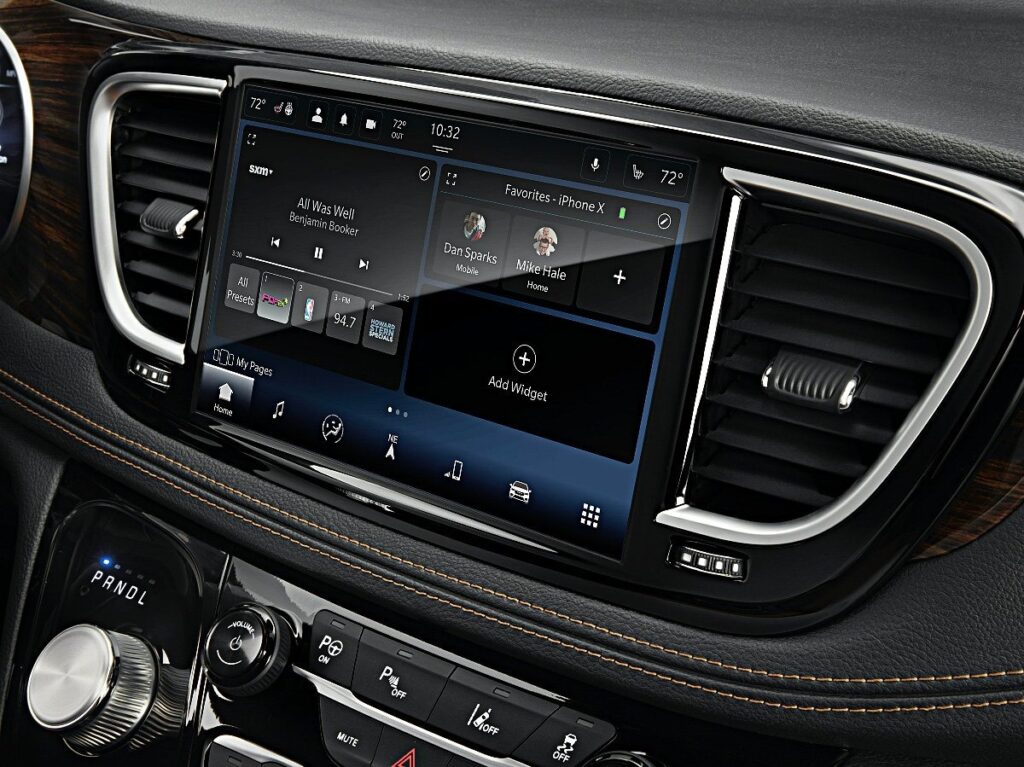
Ford is aiming to modernize the interface to compete with Uconnect 5 and GM’s Ultifi-powered systems.
Enhanced Voice Assistant with AI Integration
SYNC 5 may debut a new AI-powered voice assistant that:
Understands natural speech far better
Learns driver habits over time
Integrates with cloud-based smart home systems
Supports in-car tasks like climate control, navigation, messages, and diagnostics
Expect Ford to highlight reduced “Hey Ford” delays, better speech accuracy, and conversational responses.
Bigger Screens, Higher Resolution
SYNC 5 is expected to support:
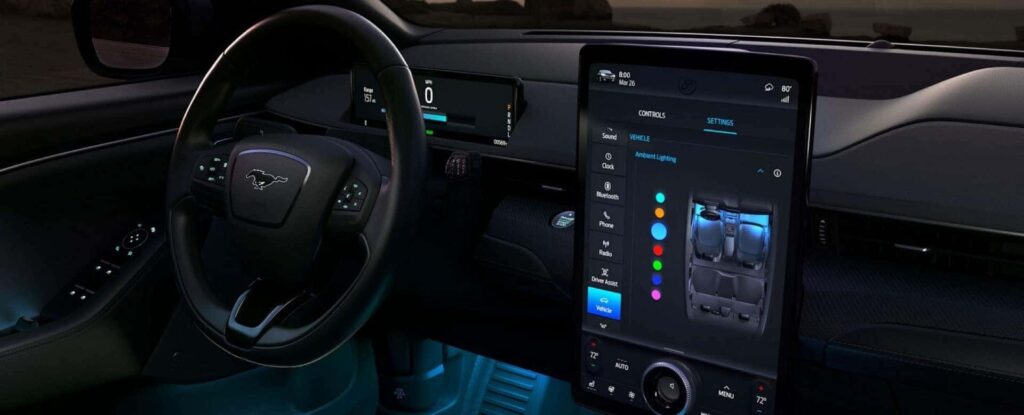
Ultra-wide 15.5″ portrait screens (similar to Mustang Mach-E)
New horizontal displays for Ranger, Explorer, and F-150
Higher brightness and anti-glare coatings
Smoother 60–120 Hz animation refresh rates
Ford is investing heavily in digital cockpits, and SYNC 5 would become the centerpiece.
Smarter EV Integration
Ford’s EV lineup — Lightning, Mach-E, and upcoming next-gen EV trucks — will likely gain:
Improved route planning with real-time charging availability
Enhanced battery preconditioning control
More accurate range prediction using AI and driving history
Better energy flow visualizations
SYNC 5 is expected to lean heavily into EV-first thinking.
Deep Cloud Connectivity + OTA Expansion
If the rumors are correct, SYNC 5 will offer:
Faster over-the-air updates
Background system refreshes without downtime
Modular feature delivery (maps, apps, cluster themes, ADAS upgrades)
Potential subscription-based enhancements (remote start, towing tools, etc.)
Ford is moving toward software-as-a-service like many OEMs.
What Vehicles Could Get SYNC 5 First?
Based on launch cycles:
2026 Ford Explorer redesign
Next-gen F-150 Lightning
All-new EV pickup on Ford’s TE1 platform
Updated Mustang Mach-E
2027 F-150 refresh
Ford often debuts major software changes in new EVs first, then brings them to combustion models.
Final Thoughts
While SYNC 5 is still unannounced, the industry clues point toward a major leap in software architecture, UI polish, AI capability, and EV integration. With cars becoming increasingly software-driven, SYNC 5 could position Ford as one of the most competitive infotainment ecosystems of the decade.
When Ford makes SYNC 5 official, expect a strong push toward a connected, voice-driven, cloud-enhanced dashboard—far beyond today’s SYNC 4 and 4A systems.