With modern vehicles becoming more like smart devices on wheels, the software running behind instrument clusters, dashboards, and infotainment systems is increasingly important. For General Motors (GM), rolling out a widespread over-the-air (OTA) update for digital instrument clusters could mark a big step — giving owners new features and better performance without hardware changes.
Why OTA Updates Matter for Digital Clusters
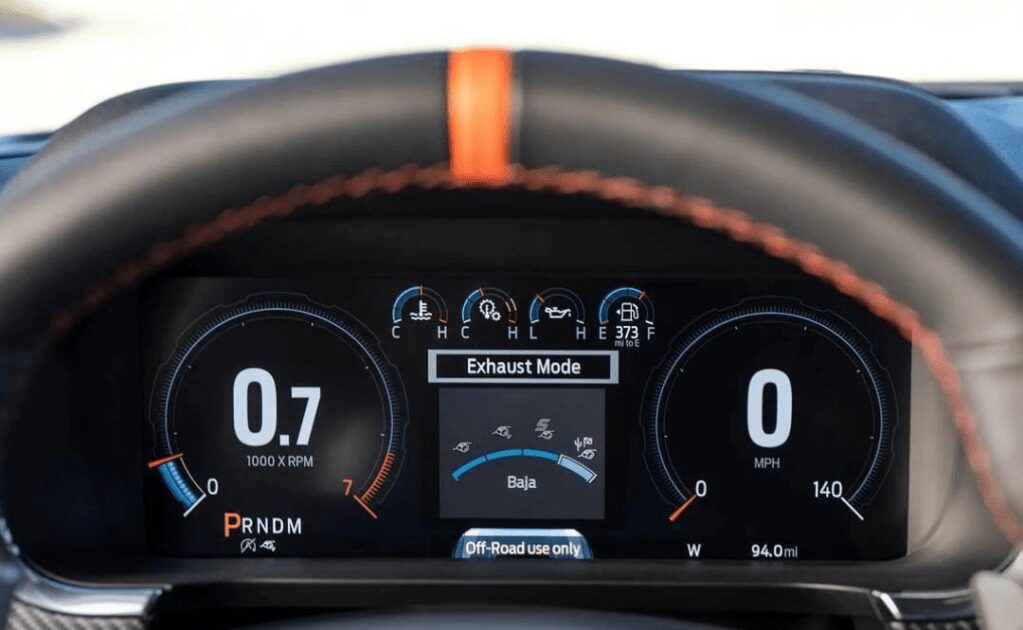
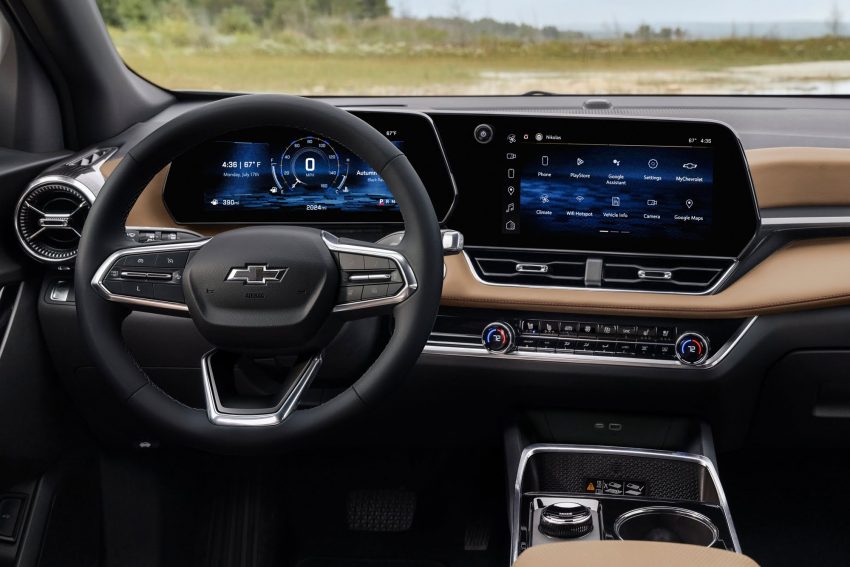
Digital clusters — the fully digital dashboards replacing analog gauges — rely on software for rendering speedometers, tachometers, navigation overlays, ADAS alerts, and more. That means:
Bugs or glitches can affect core safety systems or driver info.
New layout, data, or display styles normally require hardware revisions.
Updating via software (OTA) reduces cost, improves flexibility, and lets drivers get enhancements faster.
If GM embraced OTA cluster updates broadly, it could accelerate upgrades across its vehicle lineup.
What GM Could Update via OTA
Here are plausible improvements GM might push out via cluster-software updates:
New display themes or modes: Sport mode, economy mode, simplified night mode, head-up display integration.
Updated ADAS / safety alerts: New graphics for lane assist, blind-spot warning, collision alerts, improved visualization of driver-assist information.
Performance & battery / EV-info updates: For EVs or hybrids — better battery/state-of-charge gauges, energy flow diagrams, range predictors.
Navigation & Map Integration: High-resolution turn-by-turn overlays on the cluster instead of center screen.
Customizable layouts: Allowing drivers to choose what info they see — speed only, full info, minimalistic, etc.
Bug fixes and stability improvements: Smoother animations, faster refresh, better compatibility with new sensors and modules.
Why a Cluster OTA Update Is Useful Right Now
Many of GM’s recent models (trucks and SUVs) already come with digital clusters and multiple ECUs. Rolling out cluster improvements via OTA reduces need for recalls or dealer visits.
It supports GM’s broader push toward software-defined vehicles (SDVs). Updating features via software helps keep cars relevant longer.
As more electronics and driver-assist or EV-related systems are built into cars, digital clusters become a user’s main interface — making software updates a practical necessity, not a luxury.
What to Watch For
If GM does roll out a cluster OTA update, watch for:
Over-the-air alerts to vehicle owners (via app or in-car UI) announcing new “cluster features.”
Updated driver manuals or release notes referencing “cluster software version.”
Reports from owners or forums about new display modes, smoother UI, or changed gauge layouts after an update.
GM press releases or tech-bulletins highlighting “digital cockpit improvements.”
Why We’re Writing This — and What’s Uncertain
As of this writing, there’s no widely-publicized confirmation that GM has launched a mass OTA update specifically for digital clusters. Public detail about OTA updates tends to focus on infotainment, ADAS or ECU firmware, not cluster software.
That said, with automakers pushing toward software-defined vehicles, and with increasing reports of OTA updates for various modules across the industry, a cluster update seems like a logical next step — especially for GM’s newer EVs and high-tech models.
Because of this, we believe this is a topic worth watching for 2025–2026. If GM does release such an update, it could reshape how owners — and aftermarket shops — view digital dashboards, upgrades, and long-term vehicle evolution.